Common Synapse: four paid engagements in his first six months.
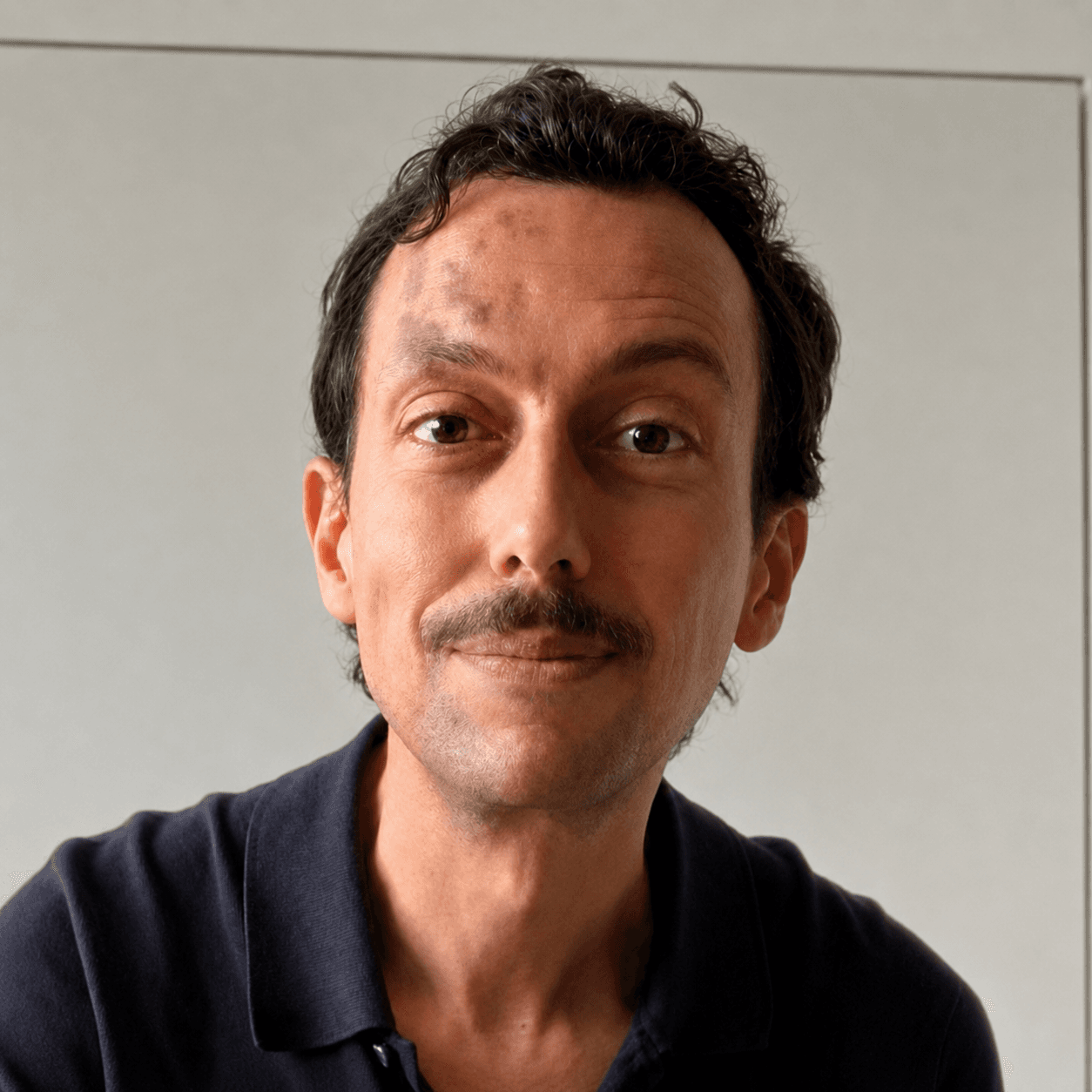
Marcello spent eighteen years inside pharma, biotech and consumer, across Nestlé, Novartis and Biogen. He knew exactly what was broken, but he wasn’t sure what the right solution was, or how to bring it to market.
What was the challenge?
When a small biotech decides which disease to go after, how to design its clinical trial and what to measure as the result, it usually makes those calls on the strength of what its own scientists think and what a handful of specialist doctors tell them. Those three decisions then go into the pitch deck and get repeated to investors for the next two years. If it later turns out that patients live with the disease differently from what the company assumed, going back on them costs time and money the company doesn’t have.
Marcello had watched this happen from the inside for eighteen years. Building a company that could fix it was a different problem.
His first idea was a software platform that would monitor online patient conversations and summarise them with AI.
He had built a basic prototype using Lovable, but he had no team, no company and no customers, and he wasn’t sure what to do next.
His network was eighteen years’ worth of senior pharma relationships, but he had never sold anything to any of them.
What did we do?
The first thing we did was get him out talking to people. Marcello ran eight discovery calls inside the industry he had just left, across insight and analytics, medical affairs, clinical trial recruitment and corporate communications. The answer came back the same way almost every time. Nobody wanted more data, and nobody wanted another dashboard. They already had plenty of both.
That killed the first idea, and as Marcello said himself on our podcast: “I shouldn’t build another piece of software. I should make that real-world data usable.”
So we narrowed the target. Instead of the huge pharma companies, which a one-man startup had very little chance of winning business from, we went after the CEOs of early-stage biotechs. More specifically, CEOs working in neurology, where Marcello’s experience was strongest, who were a few months away from a major fundraising decision and who controlled both that decision and the budget for it. That meant there was no procurement department to get through, and it turned his big pharma background into an advantage rather than something he had to explain away.
Next we worked out exactly what he was selling. Each engagement answers one question, for a fixed price, in about three weeks. Collecting the patient narratives, sorting them and a first pass of tagging are automated. Every account that survives is then coded against a framework Marcello builds for that specific question: which treatments people have tried, what they put up with to stay on them, and what they most want back. What counts as evidence, and what it means for the decision sitting in front of the client, is his call, and that is the part that needs someone who knows the disease area.
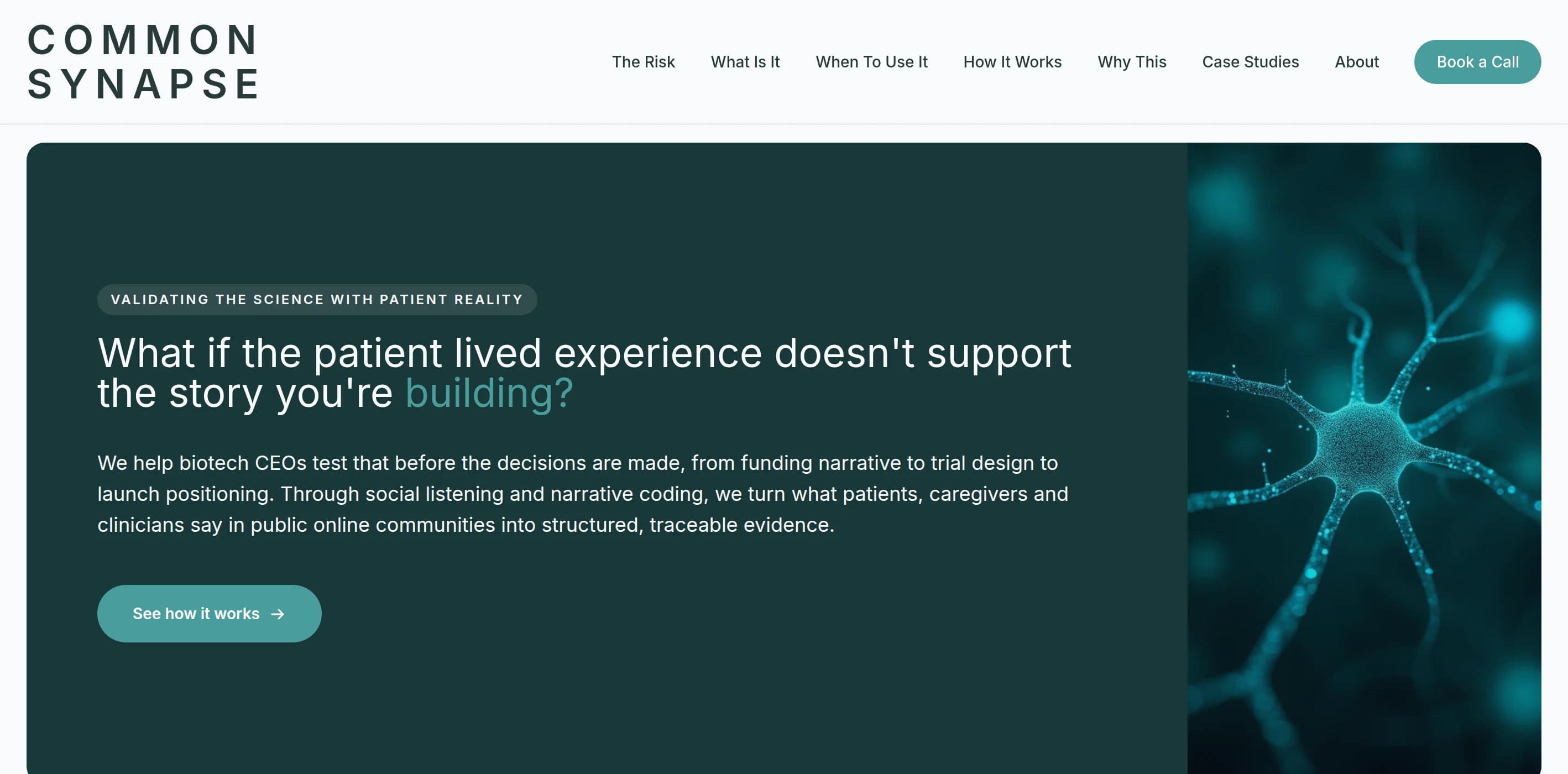
Then we built the business around that buyer. A name, a wordmark, a colour palette and design system built with Claude so that every asset after the first one could be produced quickly and stay on brand. commonsynapse.com went live, followed by the sales deck that explains the work.
Then we found out whether anyone would pay for it. Marcello sent eight messages to founders, CEOs and chief scientific officers of early-stage biotechs, all of them people already in his own network. Two replied, both took a meeting, one asked for a proposal, and that proposal became his first paying client in December 2025.
This is exactly why we like working with experienced professionals. Their track record is their competitive advantage.
We also gave him a routine to run at the end of every project. Once the client has the results and is happy with them, ask for four things: more work, a testimonial, permission to publish the project as a case study, and an introduction to somebody else who has the same problem.
Marcello got all four from his first client. The extra work became a second paid scope. The case study went up on his website behind a form, so every download now arrives as a lead. And the introduction became his second client, who as it turned out sat on the first client’s board.
While Marcello delivered that work, we went looking for more introductions inside DQ’s own network. Twenty-eight targeted messages were sent to early-stage biotech CEOs. Eleven replied, three took a meeting and one asked for a proposal. Three times the messages, five times the replies.
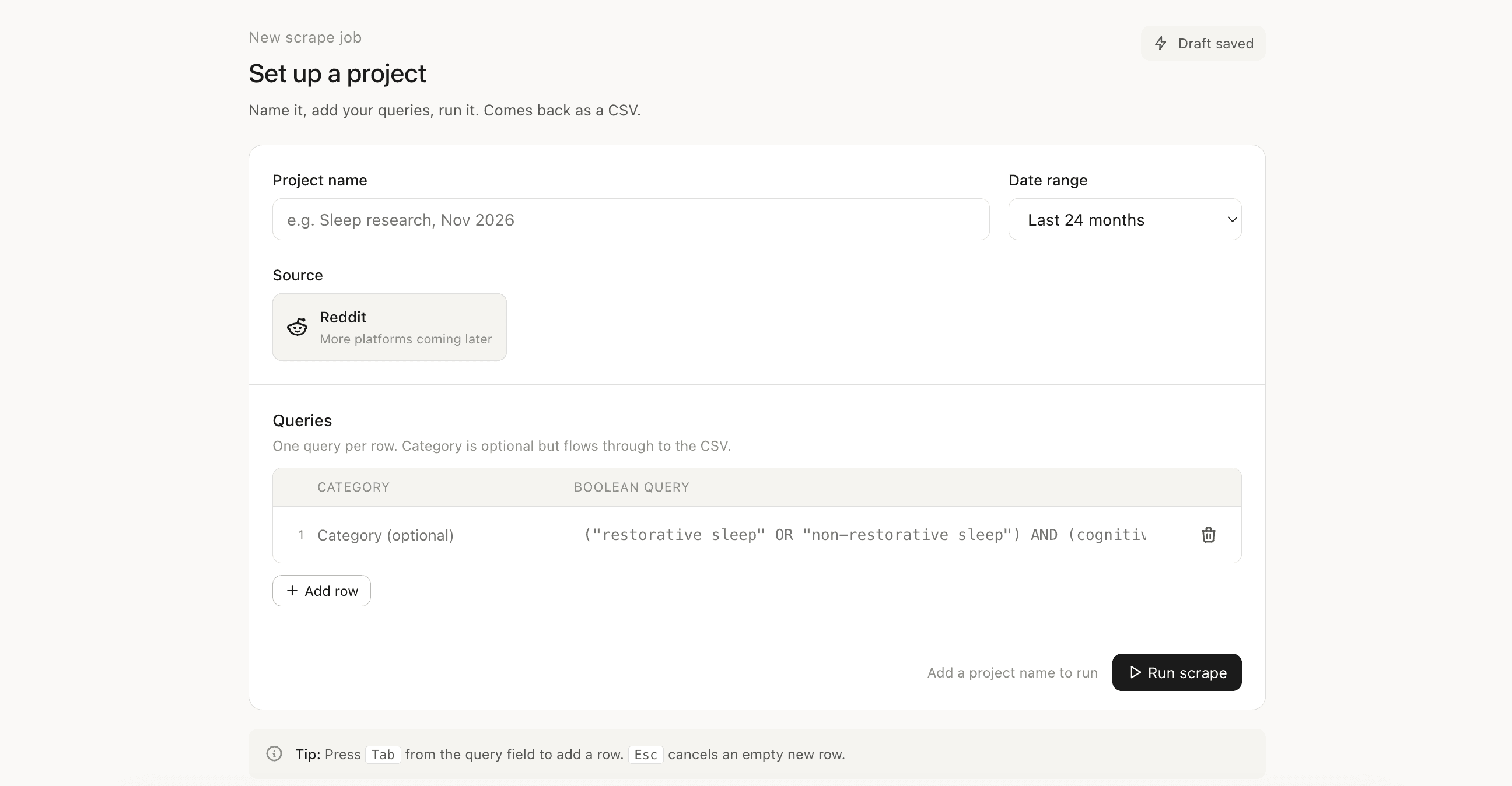
The slowest part of the job was gathering the raw material, so we took that off him. DQ built a tool that pulls patient conversations straight out of Reddit, which is where roughly 70% of the public patient voice sits for many conditions. Marcello can now run his method across 24 months of archived posts instead of collecting them by hand. More automations with other online platforms are on the product roadmap.
The last piece was a way to find the next customer. Many early-stage biotechs share common investors and board members, so we mapped out who sits on which board across the sector, then worked out which biotech CEOs Marcello could reach through people his existing clients already knew. He took that shortlist back to both clients and asked them a straightforward question: who else has this decision coming up?
What were the results?
Marcello won four paid engagements across two clients in his first six months. Both clients came back and commissioned a second piece of work, which is the best possible proof that Marcello’s offering has value.
On the first engagement, the accepted medical view was that most patients recover from the condition his client was working on. Marcello read and coded more than 700 patient accounts in three weeks, and around half of them described a problem that had never gone away. That moved the client’s view of where its drug needed to help.
“We went in with a mechanism story we believed in. We came out knowing exactly where patients feel the gap, and that gap is where we need to be.”
The second client signed within two weeks and didn’t ask for a single change to the scope. Their entire scientific argument rested on a distinction that the rest of the field had been treating as one thing. Marcello went through more than 770 patient accounts across 12 different online platforms and found that 46% of patients described exactly that distinction. They had been right all along, and now they could prove it to an investor.
“This is like a gold mine. There’s so many more questions to ask.”
Every line in every report links back to the original post it came from, so a client can check any finding for themselves.
What’s next
Marcello is still in Validate with us. His sales pipeline is now built around three activities running at the same time: warm introductions through his clients’ boards and investors, direct outreach to biotech CEOs, and enquiries coming in from the gated case studies on his website. His prices have gone up with every engagement, and the fifth scope has been quoted at 50% more than the first.
Asked whether Common Synapse is still an idea or a real business, he said: “I think of it as a real business, for sure.”
Hear it from Marcello
We interviewed Marcello for our Founder Stories podcast. Watch the full conversation below.
Read more founder stories.
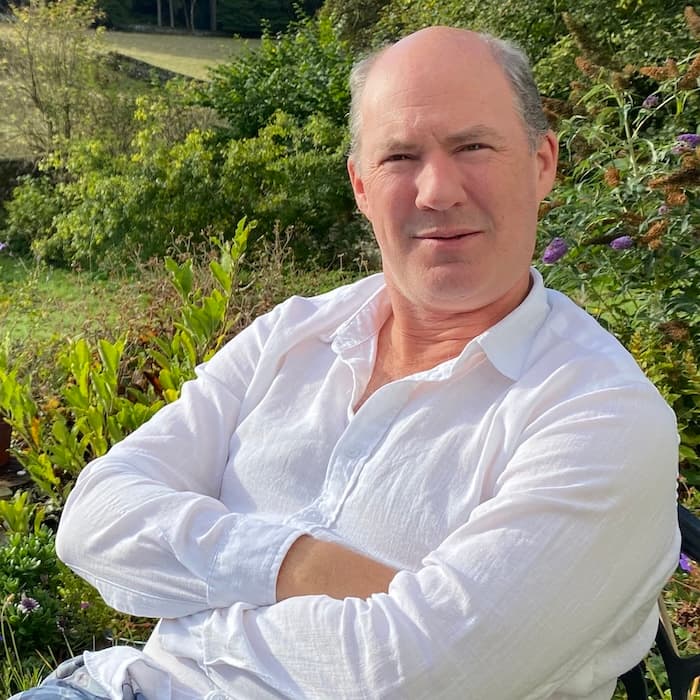
Rob, Singapore
WeNetwork
After a long career in senior recruitment roles around the world, Rob came to DQ to help him start WeNetwork — now placing talent across multiple countries in Asia.
Read the case study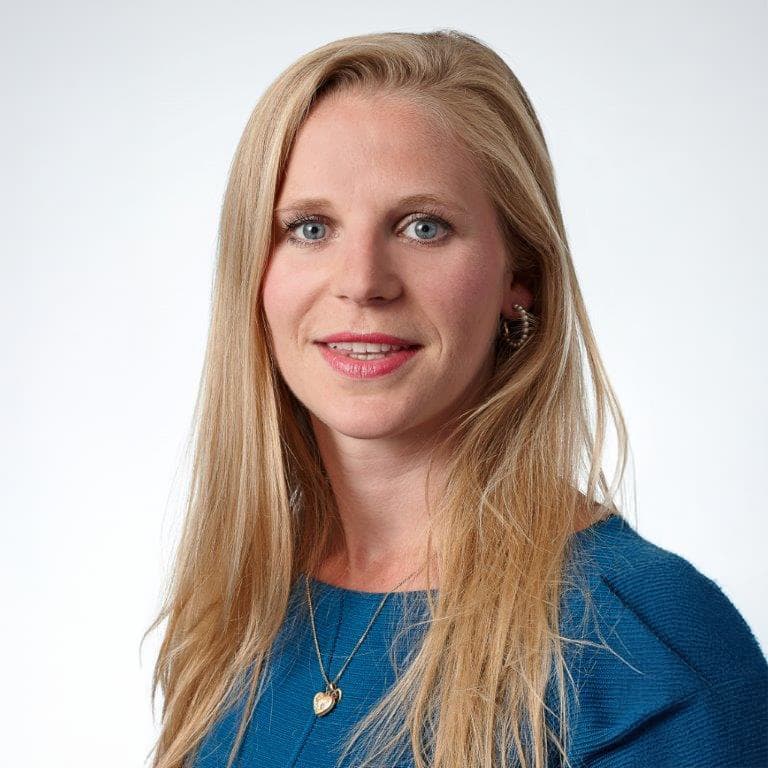
Rachel, Australia
Juurnee
Rachel had the idea for Juurnee after needing help on a Sydney-London flight with her three kids. It now matches travellers who need a flight companion with people paid to fly alongside them.
Read the case study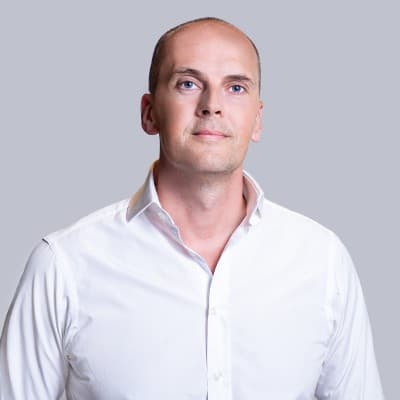
Steve, Australia
Zenn
Steve was a designer in Sydney who got tired of watching good design get bottlenecked. Zenn was his answer — an AI-powered design platform that puts beautiful branding in everyone's hands.
Read the case study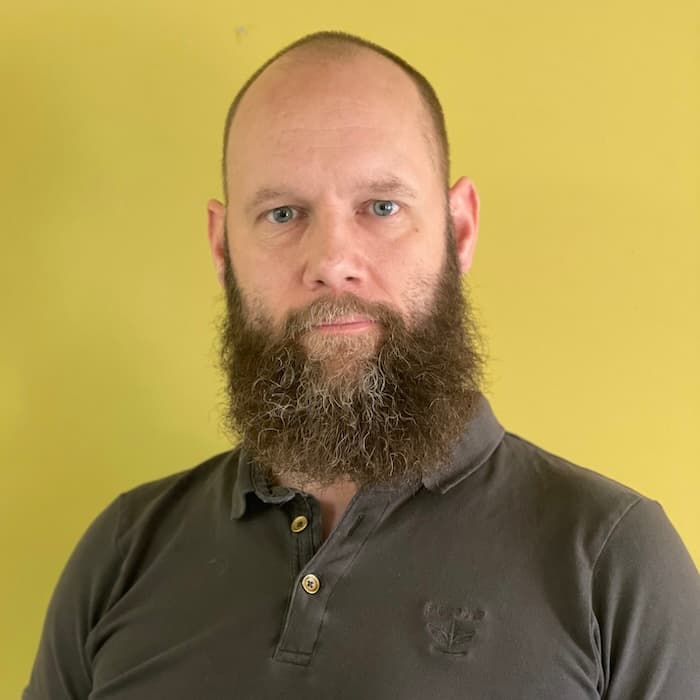
Richard, UK
DealerDoc
Richard spent over a decade running car dealerships before coming to DQ to validate his idea for DealerDOC — custom software that drags dealerships out of spreadsheets and into the 21st century.
Read the case study
Toby, Portugal
Blue Mongoose
Toby kept watching startups lose months building things they could have tested in weeks. Blue Mongoose is his fix — getting founders to a working MVP, fast.
Read the case study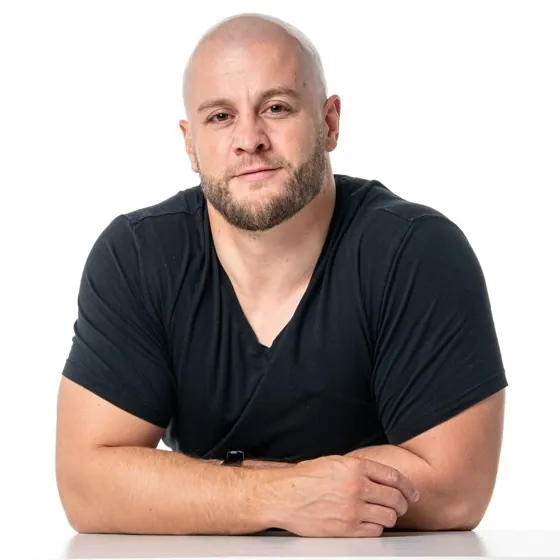
Pat, Singapore
Duellix
Pat and Dan came to DQ to explore a business idea that failed validation — but with DQ's help, they founded Duellix instead. Duellix takes the boring stuff — incorporation, payroll, tax, corporate secretary — off the plates of founders running businesses in Singapore.
Read the case study